

Rot found,cut out, rebuilt
In a climate this wet, rot is not a question of if but where. We find the soft wood in siding, trim, fascia, sills and jambs, trace the water that caused it, and replace it with sound, primed material before it spreads further into the house.
Dry rot is a misleading name.
The fungus behind it needs moisture to grow, and in the Portland area moisture is rarely in short supply.
The fungus behind it needs moisture to grow, and in the Portland area moisture is rarely in short supply. It starts where water sits: the bottom edge of siding, the end grain of trim boards, window sills, the base of door jambs, fascia behind a clogged gutter. By the time paint is bubbling or the wood feels spongy, the rot has usually travelled further than the visible damage, which is why dry rot repair has to start with probing, not patching.
Our approach is simple. We remove the rotted wood back to sound material, check the sheathing and framing behind it, and replace whatever has failed. New wood is primed on all sides, including cut ends, before it goes in. Then we fix the reason it rotted: missing kickout flashing, failed caulk, siding run tight to a roof or deck, or a gutter overflowing onto the fascia. Without that step, a rot repair is just a countdown to the next one.
Rot is often uncovered during another project. Painters find it under failing paint, home inspectors flag it before a sale, and roofers find it at the eaves. Because Triple SSS also handles siding, windows, doors and exterior painting, we can take the repair all the way through to a finished, painted surface. We are a family-owned crew in Gresham, licensed under CCB #215023, and estimates are free across Portland and east Multnomah and Clackamas County.
Everything about dry rot repair.
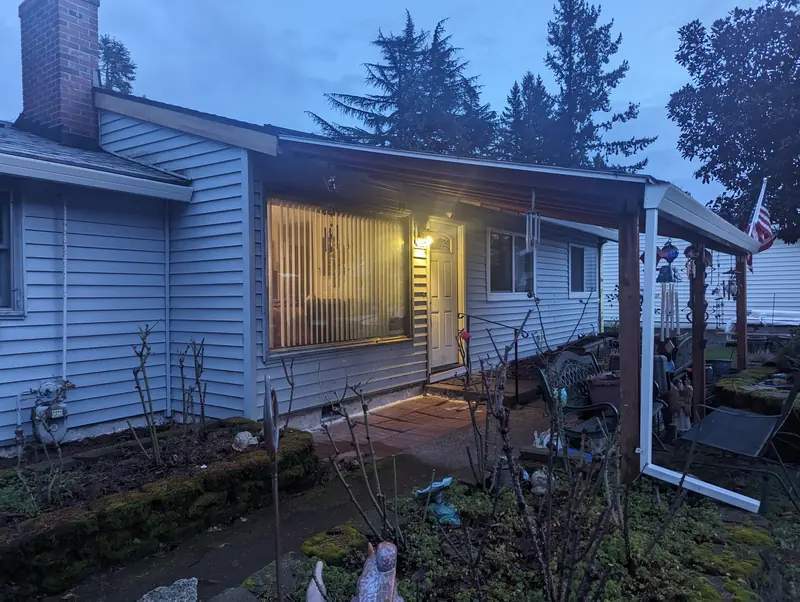
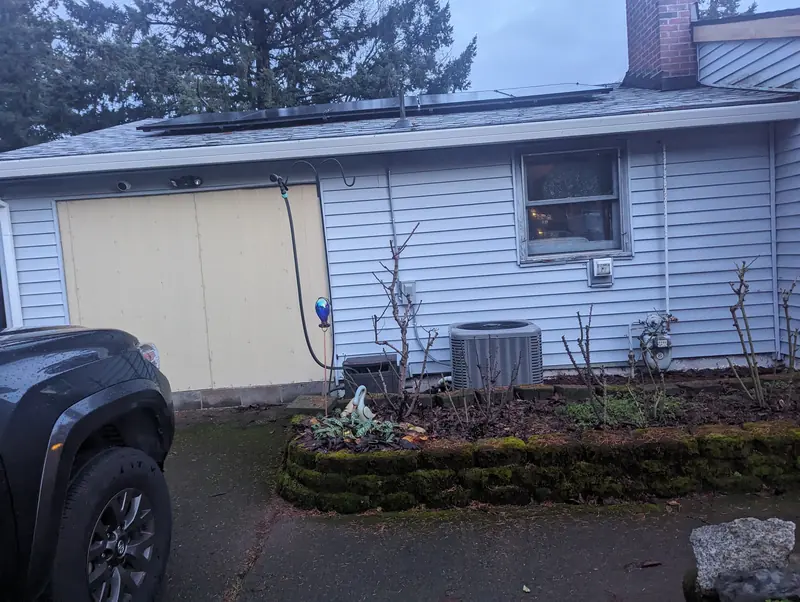
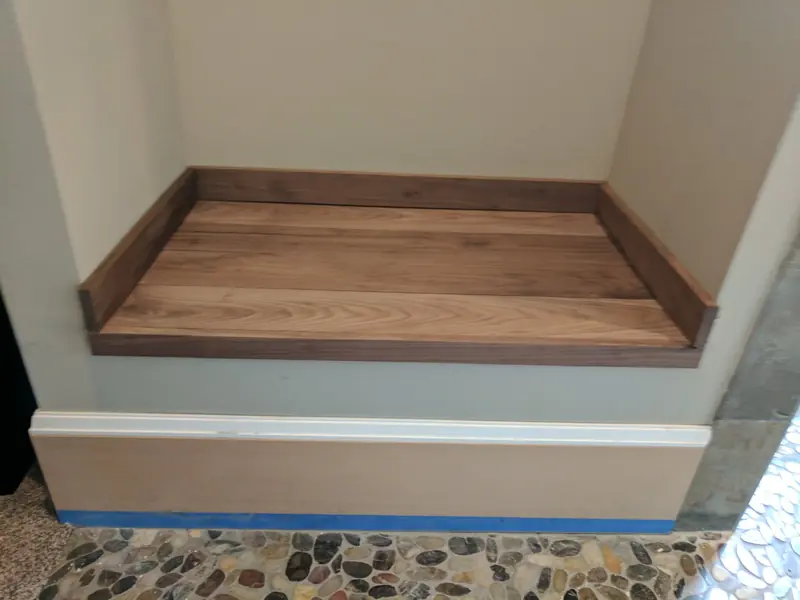
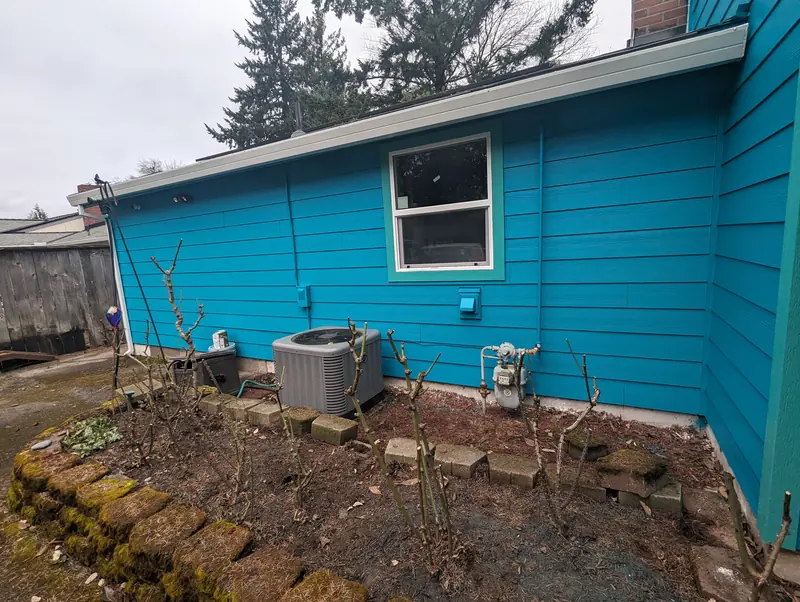
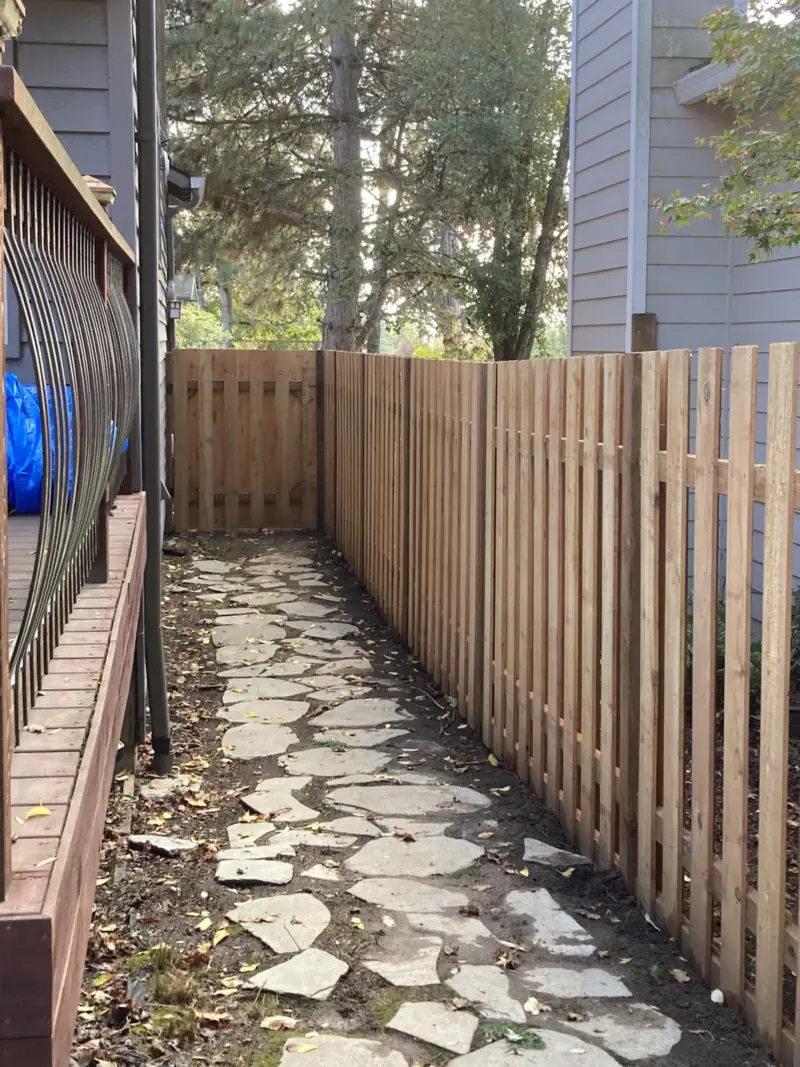
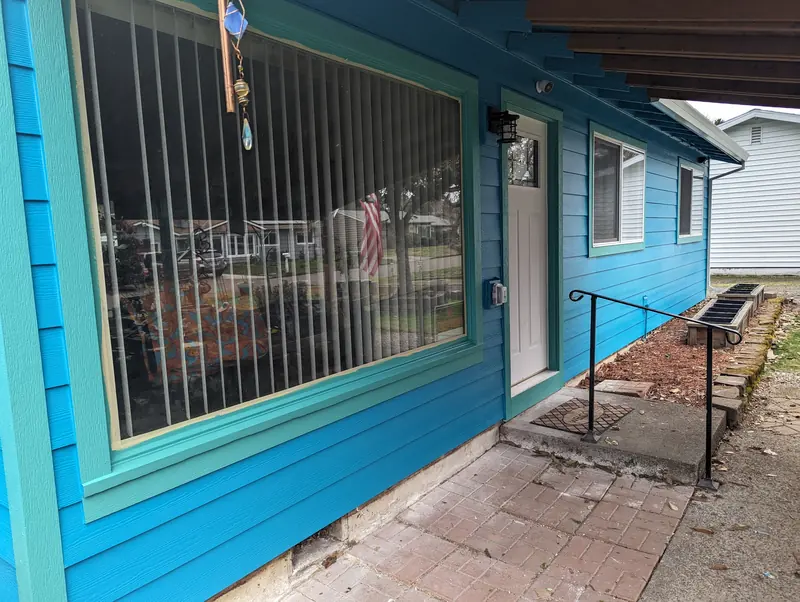
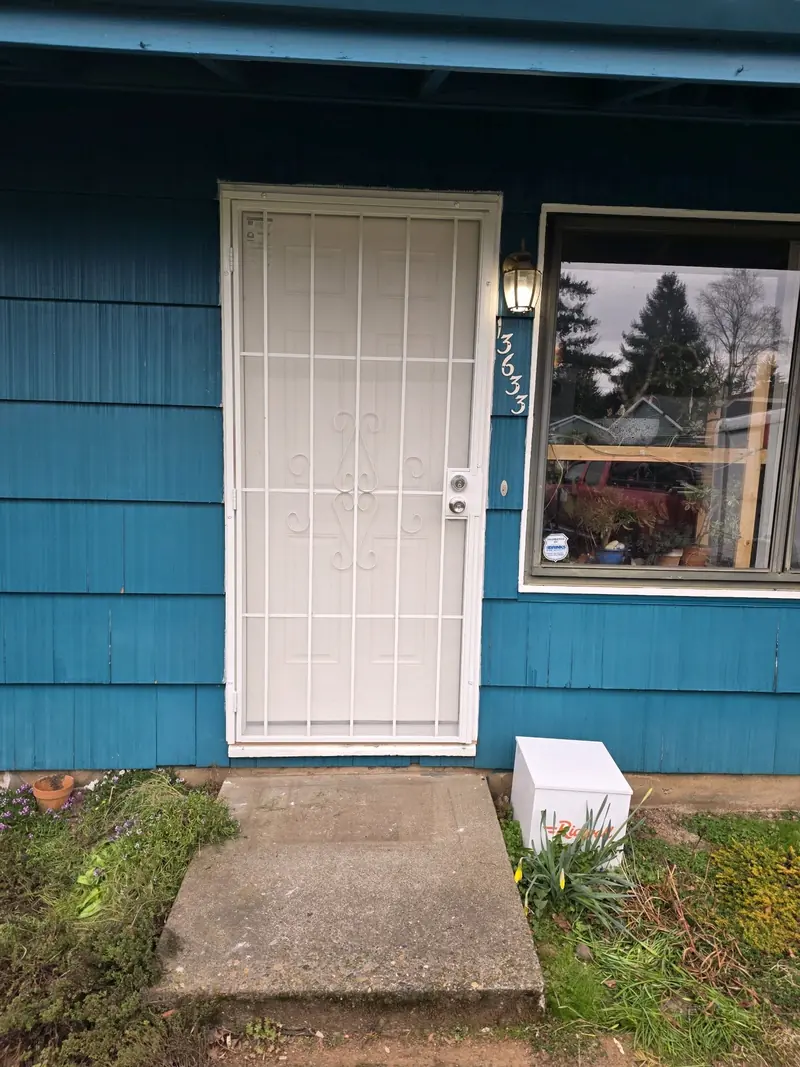
The work, in detail.
-
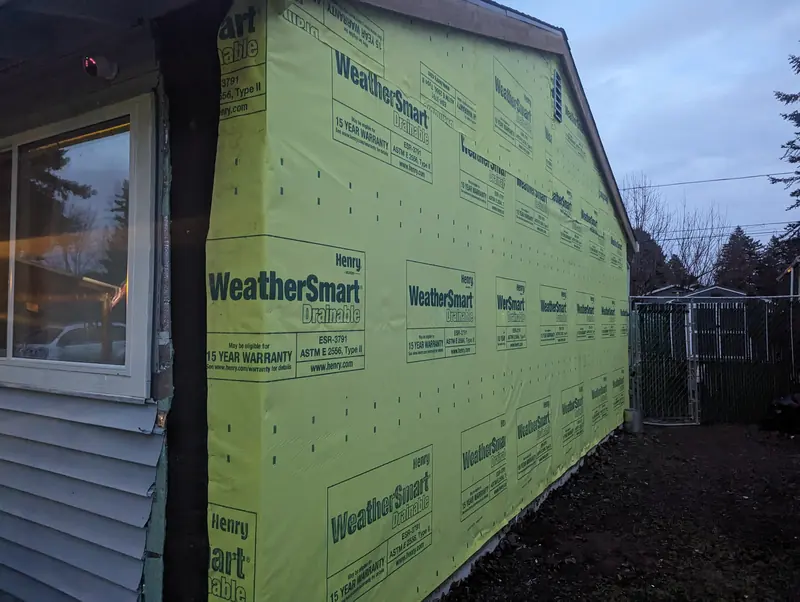
Cutting out soft siding boards and sheathing, then installing matched replacement boards that are primed and properly flashed.
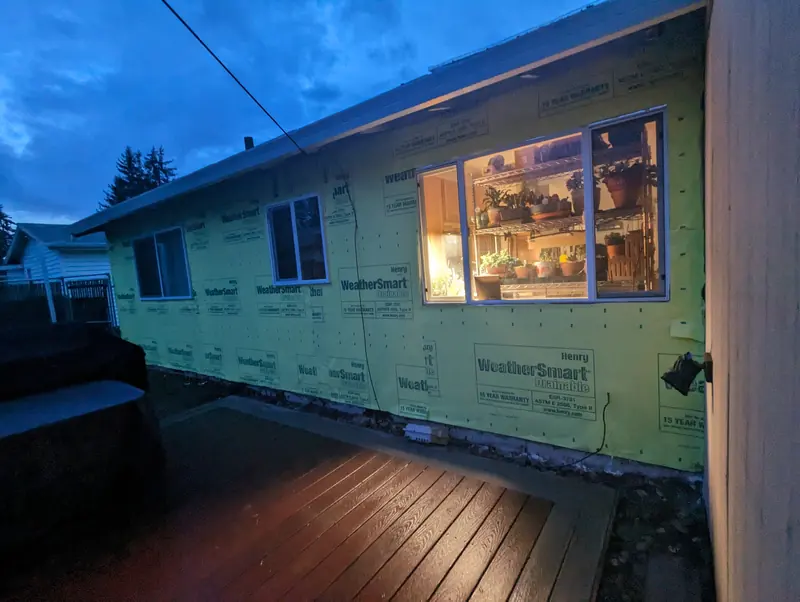
Our work · Wrapped, ready for siding
-
Replacing rotted window trim, corner boards and belly bands, the parts that hold water against the house.
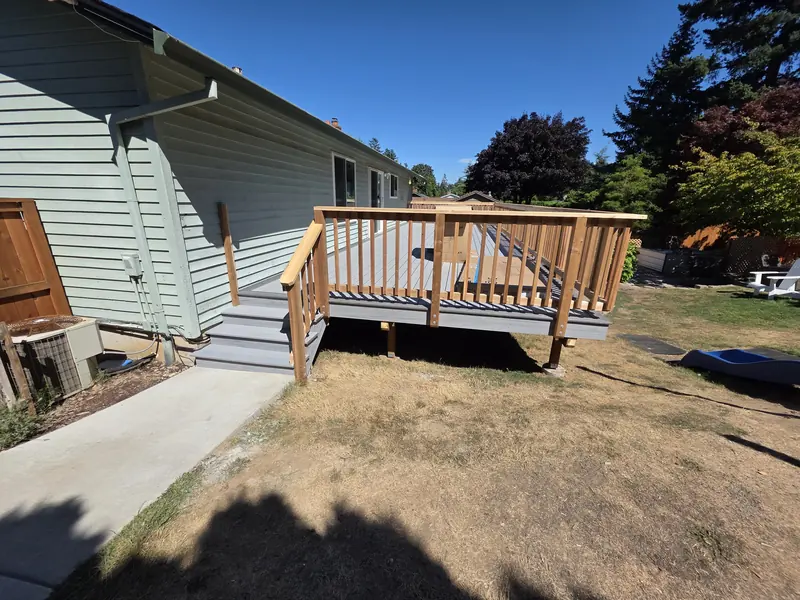
Our work · Low deck with steps
-
Rebuilding fascia boards and rafter tails damaged by overflowing gutters or failed roof edges.
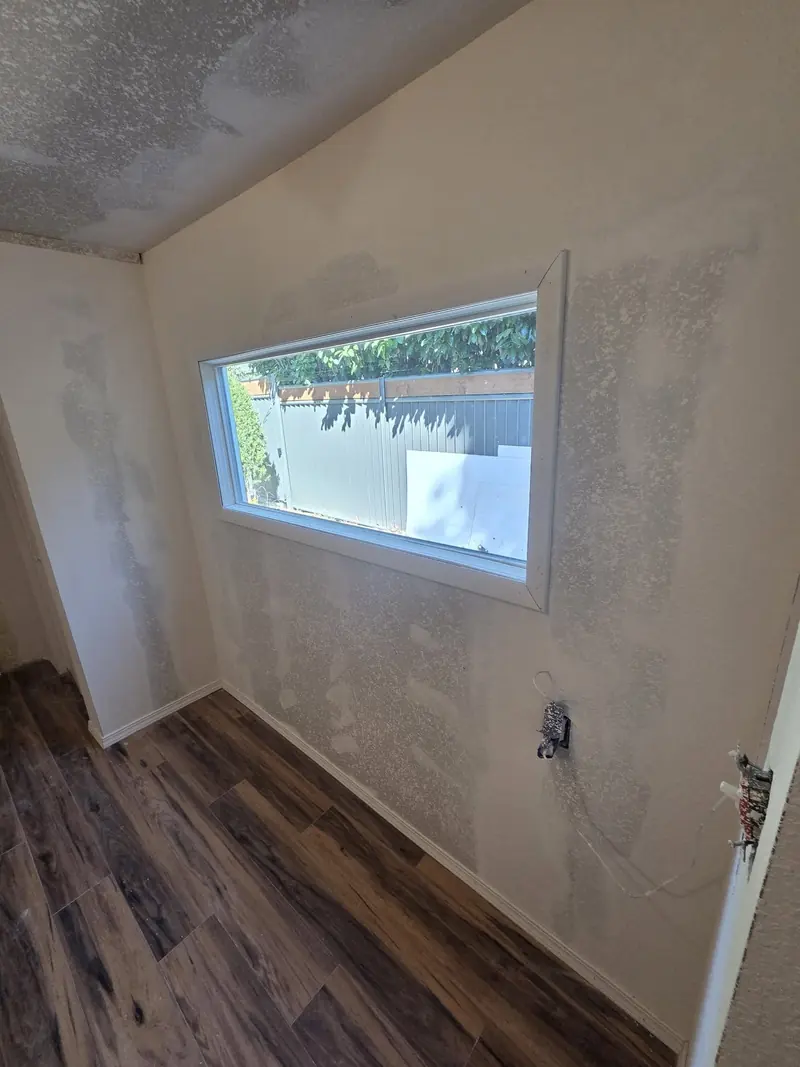
Our work · Window, drywall and floor
-
Replacing rotted sills and lower casing, or splicing in new wood where the rest of the window is still sound.
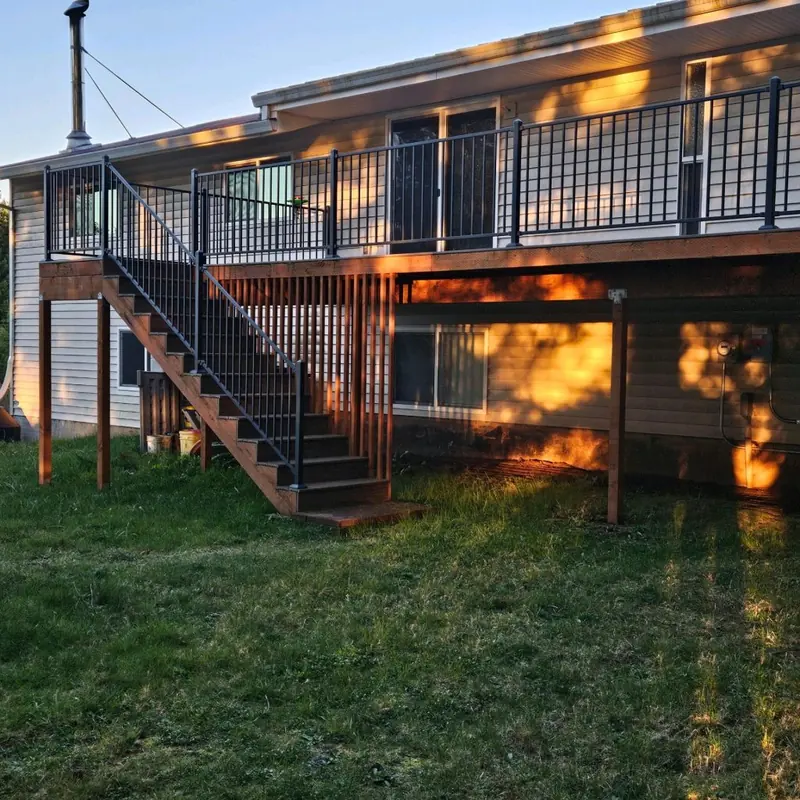
Our work · Upper deck and stair
-
Cutting out rotted jamb bottoms and threshold sills and splicing in rot-resistant wood so the door can stay.
Our work · After: painted back wall
-
Opening the wall to replace rotted sheathing, studs and plates where water has worked in behind the siding.
Our work · Side-yard fence
-
Rebuilding rotted porch columns, post bases, skirting and step stringers where they meet wet concrete or soil.
Our work · Picture window, new siding
-
Adding kickout flashing, resealing joints and correcting clearances so the repaired area stays dry from now on.
Our work · Front door replacement
-
Priming all sides of new wood and painting the repairs to match, so the finished wall looks whole again.
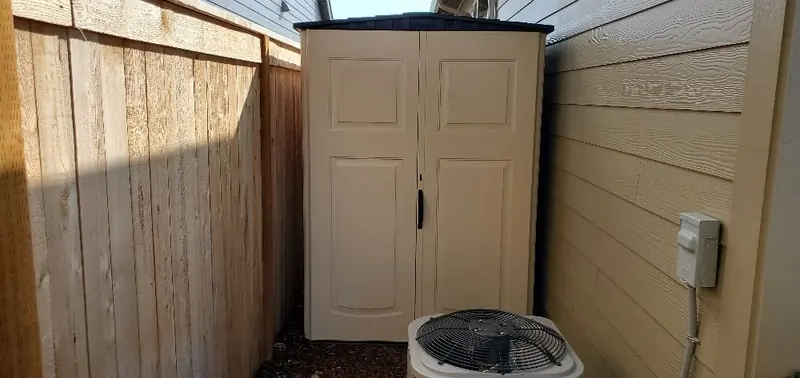
Our work · Side-yard storage shed
When to call us.
- 01A screwdriver sinks easily into siding, trim or a window sill.
- 02Paint is bubbling, cracking or peeling in one stubborn spot.
- 03Wood looks dark, has cracked into small cubes or crumbles when touched.
- 04The bottom of a door jamb feels soft or has started to split.
- 05Fascia boards sag or have pulled away behind the gutter.
- 06A home inspection report lists rot or water damage.
Four steps, no surprises.
- 1
Free rot inspection
We probe the suspect areas and the wood around them, and explain how far the damage likely goes and why.
- 2
Scope & materials
You get a written estimate covering the repair, the materials and how we will stop the water at its source.
- 3
Cut out & rebuild
Rotted wood is removed to sound material, framing and sheathing are repaired, and primed new wood goes in.
- 4
Seal, paint & clean
Joints are flashed and caulked, repairs painted, and all old wood and debris hauled away.
Why it matters here.
Portland, Gresham and the surrounding area sit in close to ideal conditions for wood decay: mild temperatures and months of steady rain.
Houses built from the 1950s through the 1990s often have hardboard or early composite siding that swells and rots at the edges. Older homes have original fir trim with decades of paint layered over hidden decay. Clogged gutters under Douglas firs, north walls that never dry and decks attached without flashing are common culprits. Catching rot early keeps the repair small and the bill manageable.
In their words.
We had a fairly significant structural issue in the attic above our garage. Shawn performed a complete reconstruction to not only restore the roof to the original slope but he designed a new truss system that provided safe and efficient storage. His calculations were so precise that the gutters remained in place. He matched the new roofing to the existing and it looks outstanding.
We used Shawn for multiple projects. Always done right the first time and at a reasonable price. He is professional, honest, and really knows his stuff. Highly recommended.
Asked & answered.
Don’t see yours? Call (503) 781-2093.
What causes dry rot in a house?
Dry rot is caused by wood-decay fungi that grow when wood stays damp for long periods. In Portland homes the moisture usually comes from rain getting behind failed caulk or flashing, gutters overflowing, wood in contact with soil or concrete, or poor ventilation. Fixing the water source matters as much as replacing the wood.
How much does dry rot repair cost?
It depends on how far the rot extends, which is often more than the visible damage, what material has to be matched and whether framing behind the surface is affected. We probe and assess at the free estimate and price the job in writing, and if we uncover more once work begins, we show you before going further.
Can dry rot spread?
Rot spreads wherever moisture lets it. The fungus moves along damp wood, so a small soft spot at a sill can extend into the casing, siding and framing over a few wet seasons. Removing the damaged wood and stopping the water stops it. Painting or filling over active rot does not.
Should I fill rotted wood or replace it?
Small areas of surface rot in otherwise sound trim can sometimes be consolidated and filled with an epoxy repair. Anything soft, deep or structural should be cut out and replaced. We use whichever method will actually last on your house, and we explain why at the estimate.
Can you fix rot found in a home inspection?
Yes. We can work straight from the inspection report, whether you are buying or selling. We review the rot items, confirm the extent on site, give you a written estimate and complete the repairs, with photos for your records if you need them. Let us know your closing timeline when you call.
While we’re there.
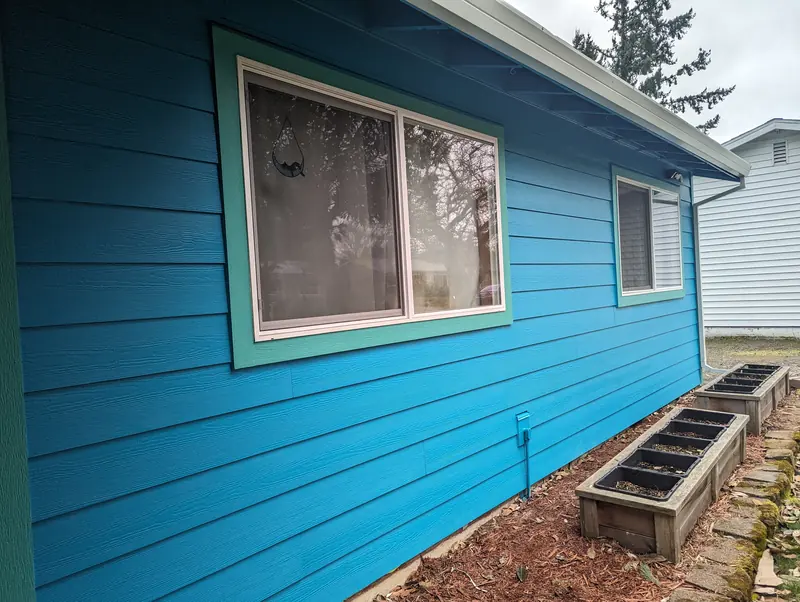
Siding
Siding is the raincoat of a house, and in Portland it gets worn hard.
See sidingExterior Painting
Exterior paint in western Oregon is a protective coating first and a color second.
See exterior paintingWindows
A new window is only as good as the opening it sits in.
See windows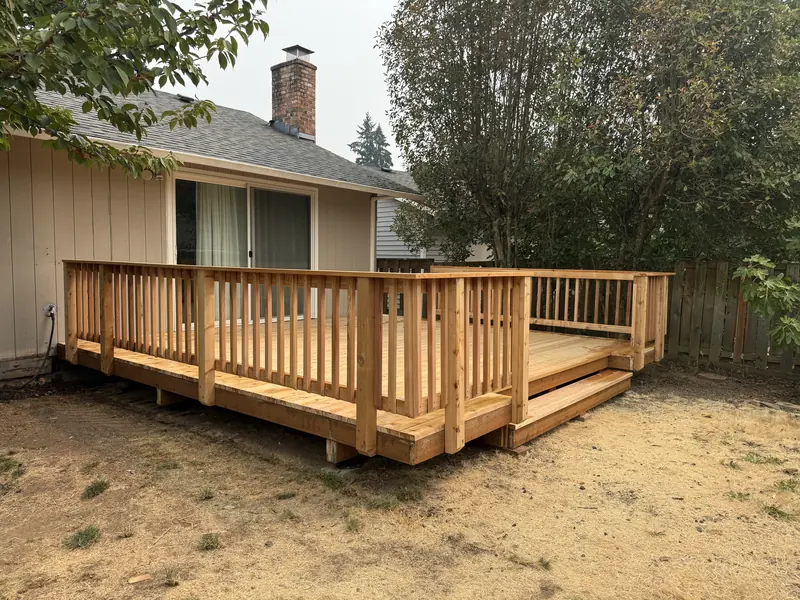
Deck & Fence Repair
Decks and fences take more weather than anything else you own outdoors.
See deck & fence repairTell us about your house.
Send a few lines about the job and the best way to reach you. Shawn reads every message himself and calls back fast, usually the same day.
- Call or text, 24/7(503) 781-2093
- Emailshawnpherbst@gmail.com
- Oregon CCB#215023 · licensed & insured