
Why moss loves Portland roofs
Our wet season runs roughly from October into May. Roofs shaded by firs and big maples stay damp for days after a rain. Moss settles in where water lingers: the north side, the gaps between shingles, the edges near the gutters.
It looks soft and harmless. It isn't. Moss acts like a sponge. It holds water against the roof and can wick it up under shingle edges. As it gets thicker it can lift shingles, clog gutters and valleys, and push water where it shouldn't go. Left long enough, that moisture can reach the wood underneath. That is the real moss damage, and you can't see it from the yard.
Moss isn't the problem by itself. The water it holds is.
What to check from the ground
Grab binoculars or zoom in with your phone from the yard or the street. You can learn a lot without climbing up. Please don't walk a mossy roof. It is slick, even on a dry day.
- Thick green or brown clumps, not just a thin green film
- Lifted shingles, curled edges, or rows that look wavy
- Granules in gutters or piled at the downspout outlets
- Gutters packed with moss chunks after a windy storm
- A roof leak after rain, or new stains on a ceiling
- Damp spots or dark wood on the underside of the roof when you look in the attic
When moss roof cleaning makes sense
If the shingles underneath are still flat, whole and holding their granules, cleaning is often the right call. A good job takes the moss off by hand with soft tools, working down the slope so water keeps shedding the right way. A moss treatment afterward can slow regrowth.
Skip pressure washing a roof. High pressure strips granules and can drive water under the shingles. The roof may look clean for a season while its life gets shorter.
To clean moss off roof surfaces and keep it off, a few habits help. Trim branches that shade the roof and drop needles on it. Clear the gutters every fall. Some homeowners add zinc strips near the ridge. Rain carries a trace of metal down the roof, which can discourage new growth. Strips work best on a roof that has already been cleaned.
When to replace a roof instead
Cleaning can't undo damage that's already there. Replacement starts to make more sense when you see any of these:
- Shingles that are cracked, brittle or missing in more than one area
- Bald patches where the granules are gone
- Soft or spongy spots underfoot when a roofer walks it
- Leaks that come back after they've been patched
- Roof deck rot, or soft fascia boards along the edges
Age matters too. If a mossy roof is already near the end of its life, paying to clean it may only buy a little time. An honest roofer should tell you which side of that line you are on, and why.
What a roof replacement in Portland involves
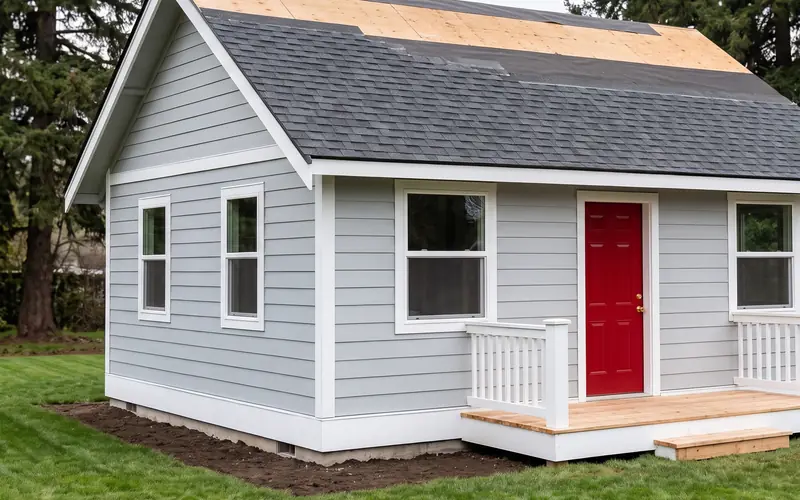
The old roofing comes off down to the deck. That is when hidden problems show up. Soft or rotted sheathing gets cut out and replaced. Then come the underlayment, drip edge, flashing at walls and chimneys, vents, and the new shingles. Good flashing and good attic ventilation matter as much as the shingles do.
Timing matters here. Roofing goes best in dry weather, and a wet season roof job needs more planning. The crew may work in smaller sections and keep the roof covered between days. Ask how your contractor handles a surprise shower halfway through.
Questions to ask before you decide
- Is the deck sound, or will we only know after tear-off?
- Will you remove the moss by hand or with pressure?
- What happens if you find rot under the shingles?
- How will you protect my plants, siding and gutters?
- Who do I call if something leaks later?
If you're looking for a roofer in Gresham, Portland or nearby, Triple SSS Construction will come look at your Portland roof moss and give you a straight answer. Sometimes that answer is a careful cleaning. Sometimes it is a new roof. Either way, you'll know what you're paying for and why. Call (503) 781-2093 any time.
Roofing